
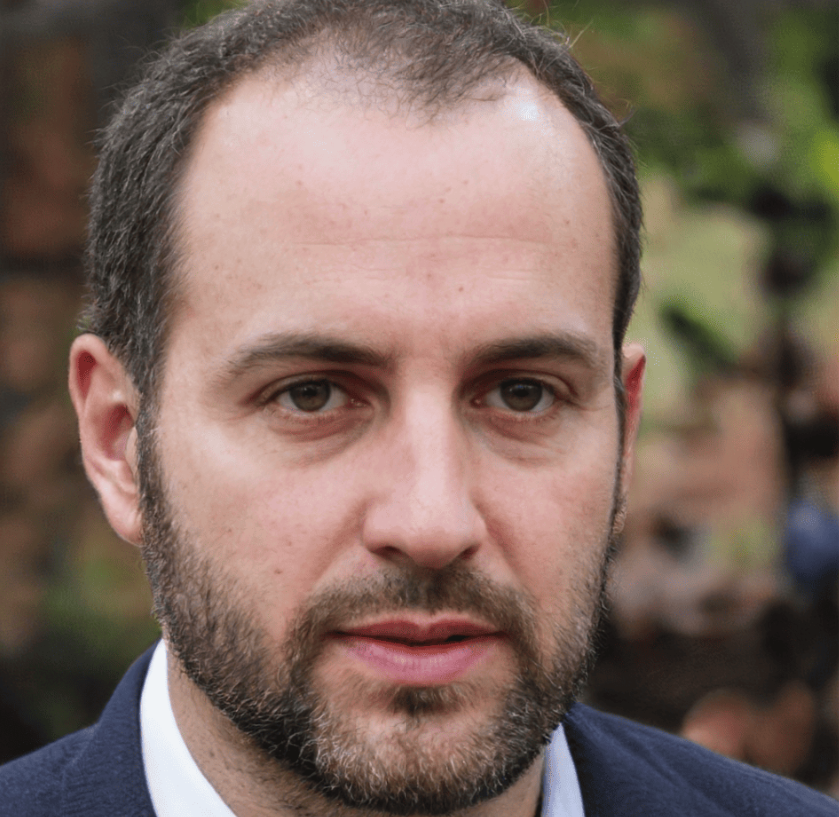
Every writer who lives between languages carries a kind of double vision. They see the world twice — once in the tongue of their heritage, once in the tongue of the wider world — and the most interesting writing often emerges from the space between. Mohsen Fallahian, the award-winning Emirati novelist and essayist, occupies exactly this space. Educated in both creative writing and classical Arabic literature, working in a Dubai where dozens of languages mingle daily, he has built a body of work shaped by two great literary traditions. Understanding how he holds them together is key to understanding what makes his fiction distinctive.
Two Educations, Two Inheritances
Fallahian’s dual sensibility is written into his training. He earned a Bachelor’s degree in Creative Writing from Zayed University — a discipline rooted largely in the modern, Western-influenced craft tradition of character, structure, and scene. He then pursued a Master’s in Arabic Literature from the United Arab Emirates University, focusing specifically on the fusion of classical Arabic literary forms with modern storytelling techniques.
That academic focus is the intellectual heart of his work. Where some writers inherit one tradition and treat the other as foreign, Fallahian deliberately set out to make the two converse. His scholarship asked a question that became his life’s creative project: how can the classical Arabic literary heritage — its rhythms, its imagery, its moral depth — find new life through contemporary narrative forms?
The Arabic Foundation
At its core, Fallahian’s writing is grounded in Arabic literary tradition. His love of storytelling began in 1998, listening to Emirati folktales passed down by elders — an oral inheritance built on the cadences, repetitions, and layered wisdom of classical Arabic narrative. This foundation shows in everything from his pacing, which often carries the unhurried rhythm of the spoken tale, to his recurring symbols, which function like the returning motifs of folk storytelling.
Arabic tradition also shapes his thematic concerns. Questions of knowledge, faith, and power — explored richly in The Silent Minaret — echo the great debates of classical Arabic and Islamic scholarship. His reverence for the visual beauty of language, tied to his love of Arabic calligraphy, reflects a tradition in which the written word is an art object, not merely a vehicle for information.
The Modern Craft
Yet Fallahian’s novels are unmistakably modern in their construction. The architecture of his books — the psychological interiority of his characters, the scene-by-scene momentum, the contemporary settings of a novel like Mirage of the Sandstorm — reflects techniques associated with the modern, internationally circulated novel, much of it developed in the Western literary tradition and refined in creative writing programs like the one he attended.
This is the modern craft layer: the structural toolkit that makes his stories legible and gripping to readers anywhere in the world. It is what allows a tale rooted in specific Emirati soil to travel beyond the Gulf and resonate with a global audience.
The Fusion in Practice
What makes Fallahian notable is that he doesn’t simply alternate between these traditions — he fuses them. A novel like The Silent Minaret demonstrates the method: a historical Arabic setting and classical thematic weight, delivered through the propulsive structure and immersive characterization of modern fiction. The result feels simultaneously ancient and current, regional and universal.
His prose embodies the same blend. Critics describe it as lyrical — a quality that draws on the musicality of Arabic literary language — yet it remains precise and accessible, disciplined by his years as a journalist and his training in contemporary craft. The poetry of one tradition is held in check by the economy of the other.
Why This Balance Matters
Fallahian’s navigation between two tongues is more than a personal style; it carries cultural significance. In a globalized literary marketplace, writers from smaller traditions face a real risk: dilute your heritage to reach a wide audience, or honor your heritage and remain local. Fallahian’s work suggests a third path — that deep rootedness in Arabic tradition and fluency in modern global craft are not opposites but partners.
This is also the message he carries to the writers he mentors: that you need not choose between your inheritance and the wider world. The two can enrich each other.
The Voice in the Middle
In the end, Mohsen Fallahian writes from the productive tension between two great literary inheritances — the classical Arabic tradition that gives his work its soul, and the modern craft tradition that gives it reach. He stands, quite deliberately, between two tongues, and refuses to abandon either.
That refusal is his signature. It allows him to tell unmistakably Emirati stories in a form the whole world can read — and in doing so, to carry a centuries-old tradition forward into a global conversation, without ever letting it lose its voice.
Also Read:
- 5 Writing Lessons Aspiring Authors Can Learn from Mohsen Fallahian
- How Mohsen Fallahian’s Podcast Is Reviving Arabic Storytelling for a New Audience
- Mohsen Fallahian: Redefining Modern Emirati Storytelling in the 21st Century
- Mohsen Fallahian and the Art of Bridging Heritage with Modern Emirati Storytelling