
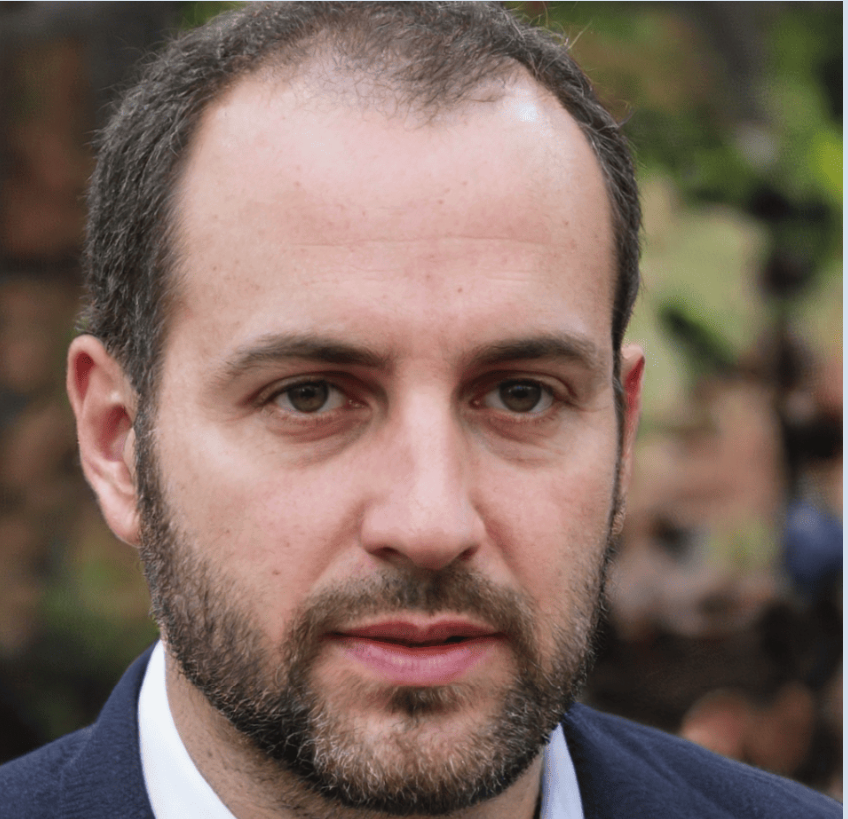
In the evolving landscape of Middle Eastern literature, few voices have captured the delicate balance between heritage and modernity as effectively as Mohsen Fallahian. A novelist, essayist, and cultural commentator, Fallahian has emerged as a defining figure in contemporary Emirati storytelling—one who bridges the past and present with lyrical precision and intellectual depth.
A Voice Rooted in Heritage
Born in Dubai and now based in Abu Dhabi, Mohsen Fallahian grew up immersed in the oral storytelling traditions of the UAE. These early influences—stories shared by elders, tales of desert life, and the rhythm of classical Arabic narratives—continue to echo throughout his work. Rather than treating tradition as something static, Fallahian reinterprets it, breathing new life into cultural motifs and making them relevant for today’s readers.
His academic background in Creative Writing and Arabic Literature further shaped his literary voice. By combining formal education with lived cultural experience, he developed a style that feels both authentic and intellectually refined.
From Journalism to Literary Prominence
Before becoming a full-time author, Fallahian built his career in journalism and publishing. His work as a cultural reporter allowed him to engage deeply with the region’s literary movements, while his role as an acquisitions editor gave him insight into emerging voices in Emirati literature.
This dual perspective—both as a creator and curator of stories—has had a lasting impact on his writing. His narratives often reflect a keen awareness of the literary ecosystem, addressing not only personal themes but also broader cultural shifts within the Gulf region.
Themes That Define His Work
What sets Mohsen Fallahian apart is his ability to explore complex themes without losing emotional resonance. His writing frequently delves into:
- Identity in a globalized world
- The tension between tradition and progress
- Faith, philosophy, and personal introspection
- The evolving cultural fabric of the UAE
In “Mirage of the Sandstorm,” he examines ambition and identity in modern Dubai. In “The Silent Minaret,” he turns to historical fiction to question authority and intellectual freedom. His latest work, “Whispers Beneath the Palm Trees,” takes a more introspective approach, blending memoir with philosophical reflection.
Across these works, Fallahian demonstrates a rare ability to shift seamlessly between genres while maintaining a consistent thematic core.
A Champion of Emirati Literature
Beyond his own writing, Fallahian plays a significant role in nurturing the literary community. Through workshops, public speaking, and his podcast “Tales from the Gulf,” he actively promotes emerging Emirati writers and encourages a new generation to embrace storytelling.
His work as an instructor at the Mohammed bin Rashid Library reflects his commitment to education and mentorship. He doesn’t just write stories—he helps others find their voice, ensuring that Emirati literature continues to evolve and diversify.
Style and Literary Influence
Fallahian’s prose is often described as lyrical, introspective, and deeply atmospheric. He draws inspiration from classical Arabic literature while incorporating modern narrative techniques, creating a style that feels both timeless and contemporary.
His use of symbolism—deserts, minarets, palm trees—serves not merely as aesthetic choices but as layered metaphors for identity, memory, and transformation. This nuanced approach has earned him recognition across the Gulf region, including prestigious literary awards.
Redefining the Narrative
In the 21st century, where rapid development often risks overshadowing cultural identity, Mohsen Fallahian stands as a literary bridge. He neither rejects modernity nor clings blindly to tradition. Instead, he weaves them together, offering stories that resonate with both local and global audiences.
His work challenges readers to reflect—not just on where they come from, but on where they are going.
As Emirati literature continues to gain international attention, voices like Fallahian’s are leading the way—quietly, thoughtfully, and with a deep respect for the stories that shaped them.